
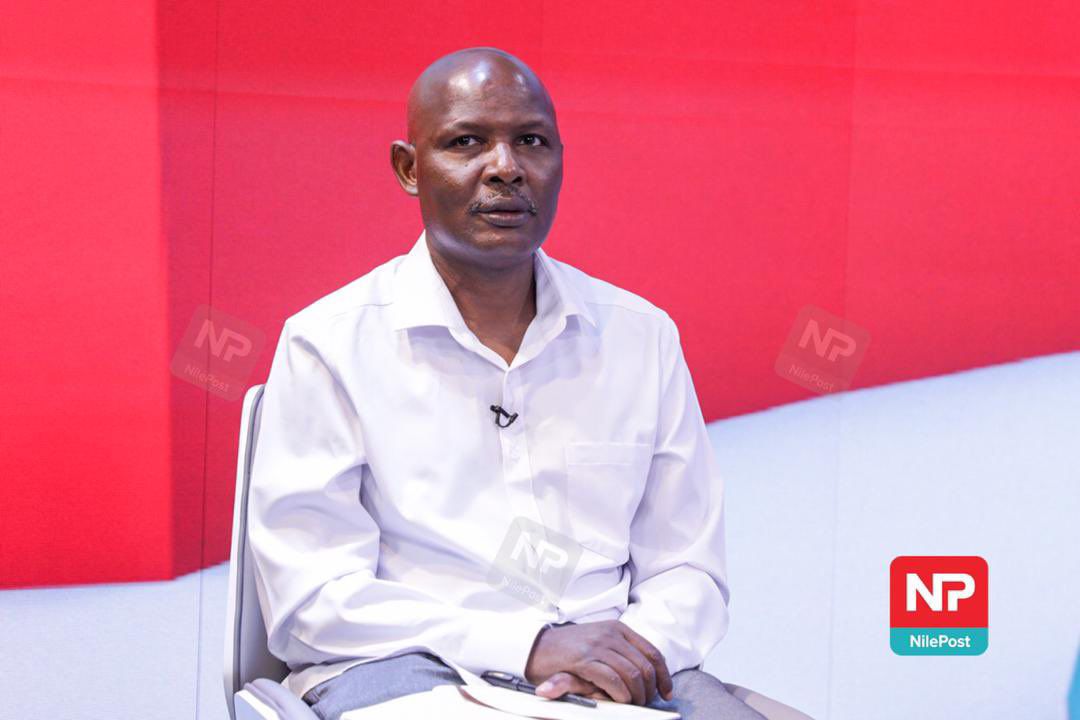
Outspoken political analyst and former chief intelligence officer Charles Rwomushana has questioned the motive behind businessman Hamis Kiggundu’s ongoing redevelopment of the Nakivubo Channel, suggesting the project may be prioritising private infrastructure over urgently needed drainage upgrades.
Speaking on NBS Barometer on Tuesday, Rwomushana said that “Ham’s deal doesn’t seem to have been about constructing the drainage system, but rather about building his own structures.”
His comments come at a time when Kampala is grappling with severe flash floods triggered by persistent heavy rains.
In recent weeks, torrential rainfall has overwhelmed drainage systems across the capital, resulting in widespread flooding in the Central Business District and several low-lying suburbs including Kisenyi, Katwe, Bwaise, and areas surrounding the Nakivubo Channel.
Business centers, markets, and major roadways have been submerged, causing significant disruption to commerce and transport, and prompting calls for urgent intervention.
Critics and affected traders have increasingly expressed concern that the Nakivubo redevelopment — led by Kiggundu, widely known as Ham may have obstructed natural water channels, worsening the flooding.
The project, initially presented as a modern drainage and recreational infrastructure upgrade, has come under renewed scrutiny as floodwaters continue to wreak havoc across the city.
Rwomushana’s remarks amplify public pressure on key government authorities, including the Kampala Capital City Authority (KCCA) and the Ministry of Water and Environment, to accelerate drainage infrastructure works, enforce urban planning standards, and provide immediate relief to residents and traders affected by the floods.
Civil society leaders and urban planning experts have called for transparent government communication regarding ongoing drainage projects, alongside comprehensive flood-mitigation strategies to safeguard the city’s commercial hub and densely populated communities.
As Kampala continues to battle the devastating effects of seasonal rains, the public awaits substantive responses from relevant authorities and clear assurances that infrastructure developments — public or private — align with the city’s environmental and safety
